
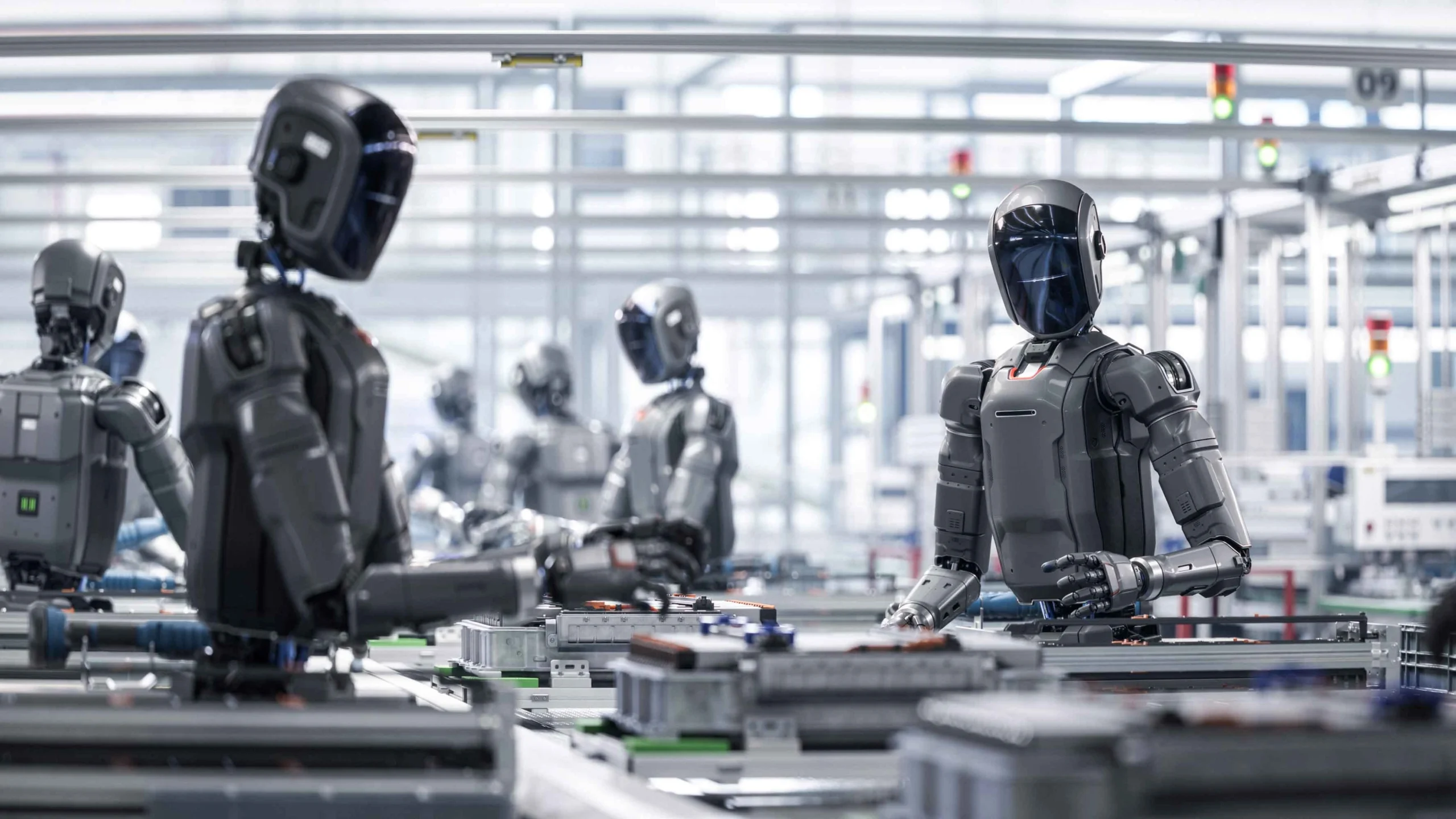
The rapid evolution of artificial intelligence and robotics is no longer a distant concept—it is actively transforming industries across the globe in 2026. From manufacturing floors to healthcare systems, automation is redefining efficiency, productivity, and decision-making. Businesses that once relied heavily on manual operations are now shifting toward intelligent systems that can learn, adapt, and operate with minimal human intervention.
One of the most visible impacts of this transformation can be seen in manufacturing. Smart factories powered by AI-driven robotics are capable of handling complex assembly processes with precision and speed that far exceed traditional methods. These systems not only reduce operational costs but also improve quality control by minimizing human error. As a result, industries are moving toward a model where machines and humans collaborate rather than compete.
Understanding the scope of AI and robotics innovations is essential for businesses looking to stay competitive. These innovations are not limited to large-scale industries; small and medium enterprises are also beginning to adopt automation solutions to streamline their operations. Whether it is warehouse automation, predictive maintenance, or intelligent supply chain management, the integration of AI is becoming a necessity rather than a luxury.
Another sector undergoing significant change is healthcare. Robotics-assisted surgeries, AI-powered diagnostics, and automated patient monitoring systems are enhancing both the accuracy and accessibility of medical services. Hospitals are increasingly relying on data-driven insights to improve patient outcomes, reduce wait times, and optimize resource allocation. This shift is particularly important in a world where healthcare demands continue to grow rapidly.
The logistics and transportation industry is also witnessing a revolution. Autonomous vehicles, drone deliveries, and smart routing systems are redefining how goods are transported. These advancements are not only improving delivery speeds but also reducing fuel consumption and environmental impact. As urban areas become more congested, the need for intelligent logistics solutions becomes even more critical.
A deeper look into AI and robotics innovations reveals how these technologies are shaping the future of work. While there are concerns about job displacement, the reality is more nuanced. Automation is eliminating repetitive tasks while creating new opportunities in areas such as AI development, robotics engineering, data analysis, and system management. The workforce is evolving, and skill development is becoming the key to adapting to this new landscape.
Education and training institutions are beginning to recognize this shift. Programs focused on robotics, machine learning, and automation are gaining popularity, preparing the next generation for a technology-driven world. Organizations that invest in upskilling their workforce are more likely to thrive in this rapidly changing environment.
Another important aspect of this transformation is sustainability. AI and robotics are playing a crucial role in optimizing energy consumption, reducing waste, and supporting environmentally responsible practices. Smart systems can monitor resource usage in real time, enabling businesses to make informed decisions that align with global sustainability goals.
However, with these advancements come challenges. Ethical considerations, data privacy concerns, and the need for regulatory frameworks are becoming increasingly important. Governments and organizations must work together to ensure that technological growth is balanced with responsible implementation. Transparency and accountability will play a vital role in building trust in AI-driven systems.
Looking ahead, the influence of AI and robotics will only continue to expand. Industries that embrace innovation and adapt to these changes will be better positioned to lead in the future. The integration of intelligent systems is no longer optional—it is a strategic necessity for growth and resilience.
In conclusion, AI and robotics are not just transforming industries; they are reshaping the way the world operates. Businesses, governments, and individuals must recognize the potential of these technologies and prepare for a future where automation and intelligence are deeply embedded in everyday life.