
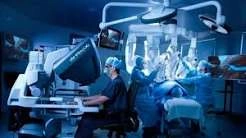
Modern healthcare continues to evolve with the help of innovative medical technologies that improve patient outcomes while making surgical procedures safer and less invasive. One of the most significant advancements in recent years is the Da Vinci Robotic Surgery System, a state-of-the-art technology that enables surgeons to perform complex operations with exceptional precision and control.
Unlike traditional open surgery, robotic-assisted surgery allows doctors to perform procedures through small incisions using robotic instruments guided entirely by an experienced surgeon. This advanced approach has transformed the way many surgical procedures are performed, offering patients shorter recovery times, less pain, and fewer complications.
At Liv Hospital, advanced robotic surgery technology is used across multiple medical specialties, providing patients with modern treatment options that combine innovation, precision, and expert medical care.
What Is Da Vinci Robotic Surgery?
Da Vinci Robotic Surgery is a robotic-assisted surgical system designed to help surgeons perform minimally invasive procedures with greater accuracy than conventional surgical techniques.
Although it is called “robotic surgery,” the robot does not make decisions or perform surgery independently. Every movement is fully controlled by the surgeon through a computerized console. The robotic system translates the surgeon’s hand movements into smaller, more precise actions using specialized surgical instruments.
The system also provides a high-definition, three-dimensional view of the surgical area, allowing surgeons to see tiny blood vessels, nerves, and tissues with remarkable clarity.
How Does the Da Vinci Surgical System Work?
The Da Vinci Surgical System consists of three major components that work together seamlessly.
Surgeon Console
The surgeon sits at a comfortable console equipped with hand controls and foot pedals. While viewing a magnified 3D image, the surgeon controls every movement of the robotic instruments.
Patient Cart
The patient cart contains robotic arms equipped with miniature surgical instruments and a high-definition camera. These arms accurately follow the surgeon’s commands throughout the procedure.
Vision System
The advanced imaging system delivers a magnified three-dimensional view of the surgical site, allowing surgeons to perform delicate procedures with exceptional precision.
Benefits of Da Vinci Robotic Surgery
Robotic-assisted surgery offers numerous advantages over traditional open surgery.
Smaller Incisions
Only a few tiny incisions are required, reducing damage to surrounding tissues.
Less Pain
Patients generally experience less postoperative pain because smaller incisions cause less trauma.
Reduced Blood Loss
The precise movements of the robotic instruments help minimize bleeding during surgery.
Lower Risk of Infection
Smaller wounds reduce the likelihood of infection after surgery.
Faster Recovery
Many patients recover more quickly and return to normal activities sooner than with traditional surgery.
Minimal Scarring
Smaller incisions leave less noticeable scars, improving cosmetic results.
Greater Surgical Precision
The robotic system filters natural hand tremors and allows highly controlled movements, especially during complex procedures.
Shorter Hospital Stay
Patients often spend fewer days in the hospital, reducing healthcare costs and improving comfort.
Medical Conditions Treated with Da Vinci Robotic Surgery
The Da Vinci Surgical System is used to treat a wide variety of medical conditions.
Some of the most common include:
- Prostate cancer
- Kidney tumors
- Bladder disorders
- Endometriosis
- Uterine fibroids
- Ovarian cysts
- Colon cancer
- Rectal cancer
- Hernias
- Gallbladder disease
- Obesity requiring bariatric surgery
- Lung disorders
- Heart valve conditions
The suitability of robotic surgery depends on each patient’s condition and overall health.
Medical Specialties That Use Da Vinci Robotic Surgery
Urology
Robotic surgery is widely used for procedures involving the kidneys, bladder, adrenal glands, and prostate.
Gynecology
Many gynecological procedures, including hysterectomy, fibroid removal, and endometriosis treatment, can be performed using robotic assistance.
General Surgery
Common robotic procedures include gallbladder removal, hernia repair, colorectal surgery, and stomach surgery.
Cardiothoracic Surgery
The Da Vinci system supports minimally invasive heart and lung surgeries that require exceptional precision.
Gastrointestinal Surgery
Complex surgeries involving the stomach, pancreas, liver, and intestines may also benefit from robotic technology.
Who Is a Good Candidate?
Not every patient requires robotic surgery, but many people may benefit from this advanced technique.
Good candidates often include patients who:
- Need minimally invasive surgery
- Are healthy enough for anesthesia
- Require complex surgical procedures
- Want faster recovery
- Prefer smaller incisions and minimal scarring
A specialist evaluates each patient individually before recommending robotic-assisted surgery.
What Happens Before Surgery?
Before surgery, patients undergo a thorough medical evaluation that may include:
- Blood tests
- Imaging scans
- Physical examination
- Medical history review
- Consultation with the surgical team
Patients also receive instructions regarding medications, fasting, and preparation for surgery.
What Happens During the Procedure?
The surgery is performed under general anesthesia.
The surgeon makes several small incisions through which robotic instruments and a miniature camera are inserted.
From the surgeon console, every movement is carefully controlled while the robotic arms perform precise surgical actions.
Throughout the procedure, the surgeon maintains complete control of the system.
Once the surgery is complete, the instruments are removed, and the small incisions are closed.
Recovery After Da Vinci Robotic Surgery
Recovery varies depending on the type of surgery, but many patients experience:
- Less pain
- Faster healing
- Reduced need for pain medication
- Earlier walking and movement
- Shorter hospital stay
- Faster return to work
- Improved overall comfort
Following the surgeon’s postoperative instructions is essential for a smooth recovery.
Is Da Vinci Robotic Surgery Safe?
Yes. The Da Vinci Surgical System has been used successfully in millions of procedures worldwide and is considered a safe and effective option when performed by experienced surgeons.
It is important to understand that the robot never replaces the surgeon. Instead, it serves as an advanced surgical tool that enhances the surgeon’s precision, visibility, and control.
Like any surgical procedure, robotic surgery carries some risks, including bleeding, infection, or reactions to anesthesia. However, many studies have shown that minimally invasive robotic surgery can reduce certain complications compared to traditional open surgery.
Why Choose Liv Hospital?
Liv Hospital is recognized for its commitment to advanced healthcare and patient-centered treatment. By combining experienced specialists with modern surgical technologies, the hospital provides high-quality care across a wide range of medical disciplines.
Patients choose Liv Hospital because of its:
- Experienced robotic surgeons
- Modern operating rooms
- Advanced medical technology
- Multidisciplinary approach
- Personalized treatment plans
- International patient services
- Focus on patient safety and comfort
The hospital continues to invest in innovative technologies that improve surgical precision and patient outcomes.
Frequently Asked Questions
Is robotic surgery better than traditional surgery?
For many procedures, robotic surgery offers advantages such as smaller incisions, reduced pain, less blood loss, and faster recovery. However, the most appropriate surgical method depends on the patient’s condition.
Does the robot perform surgery by itself?
No. The surgeon controls every movement throughout the entire operation.
Is robotic surgery painful?
Most patients experience less pain compared to traditional open surgery due to the minimally invasive nature of the procedure.
How long does recovery take?
Recovery depends on the type of surgery, but many patients return to daily activities within a few weeks.
Is robotic surgery used for cancer treatment?
Yes. Robotic-assisted surgery is commonly used for prostate, kidney, colorectal, gynecological, and several other cancer-related procedures.
Conclusion
The Da Vinci Robotic Surgery System has transformed modern surgery by combining advanced technology with the expertise of skilled surgeons. Its ability to perform minimally invasive procedures with greater precision offers numerous benefits, including smaller incisions, less pain, quicker recovery, and improved surgical outcomes.
As robotic-assisted surgery continues to advance, more patients can benefit from safer and more effective treatment options across a wide range of medical specialties. With experienced professionals and state-of-the-art facilities, Liv Hospital remains dedicated to providing innovative healthcare solutions that prioritize patient safety, comfort, and successful outcomes.