
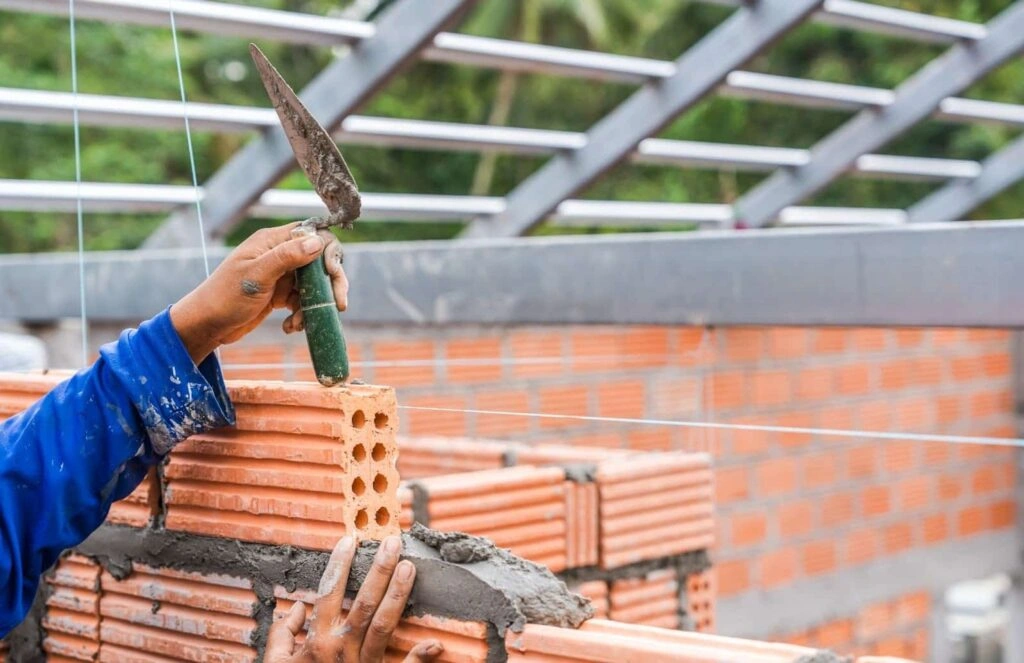
Commercial construction projects require materials and workmanship that can handle constant use, environmental exposure, and long-term operational demands. While many building systems focus on speed and efficiency, masonry continues to stand out because of its durability, structural reliability, and professional appearance.
From retail developments and industrial facilities to office buildings and mixed-use properties, commercial masonry plays an important role in creating structures that are built to last. For property owners, developers, and contractors, understanding the value of quality masonry work can help improve both project outcomes and long-term property performance.
Why Masonry Remains Important in Commercial Construction
Commercial buildings face different challenges than residential structures. High traffic, weather exposure, equipment use, and maintenance expectations all place pressure on a building’s exterior systems.
Masonry remains a preferred solution because it provides:
- Structural strength
- Fire resistance
- Long-term durability
- Low maintenance requirements
- Noise reduction
- Design flexibility
- Professional visual appeal
Unlike some lightweight materials that may deteriorate quickly under heavy use, masonry systems are designed for longevity. Properly installed brick, block, and stone structures can remain functional for decades with relatively limited maintenance.
Common Types of Commercial Masonry Projects
Commercial masonry covers a wide range of construction and site improvement work. The type of project often depends on the building’s function, property layout, and operational requirements.
Structural Block Walls
Concrete masonry units are widely used for load-bearing walls, service areas, and industrial construction because of their strength and versatility.
Retaining Walls
Commercial sites frequently require retaining systems to manage slopes, support grading plans, and improve land usability.
Brick Veneer and Facades
Brick facades create a polished, professional appearance while helping buildings maintain long-term visual appeal.
Site Walls and Security Barriers
Perimeter walls can improve privacy, define property boundaries, and support security measures.
Dumpster and Utility Enclosures
Masonry enclosures provide durable screening for service areas while helping maintain a cleaner overall appearance.
Decorative Stone Features
Stone accents and entry structures can enhance branding and create a more upscale presentation for commercial properties.
The Role of Planning in Successful Masonry Projects
Commercial masonry projects involve more than simply installing brick or block. Proper planning is critical because masonry systems often interact with drainage, grading, utilities, structural engineering, and other trades.
Before construction begins, experienced contractors typically evaluate:
- Soil conditions
- Site access
- Drainage requirements
- Structural loads
- Local building codes
- Material compatibility
- Project scheduling
Without proper coordination, delays and costly corrections can occur later in the project.
Large-scale commercial jobs also require consistency. Uniform alignment, clean finishes, and proper reinforcement all contribute to the final quality of the structure.
Why Experienced Masonry Contractors Matter
Commercial masonry work requires technical skill and attention to detail. Even small installation mistakes can lead to cracking, moisture intrusion, drainage problems, or structural movement over time.
Experienced contractors understand how to properly:
- Prepare foundations and footings
- Install reinforcement systems
- Manage expansion joints
- Maintain alignment and spacing
- Address water management concerns
- Coordinate with engineers and inspectors
This expertise becomes especially important on larger commercial sites where timelines, safety standards, and structural requirements are more demanding.
Businesses and developers researching dependable regional solutions may explore examples of commercial masonry services in Northern California to better understand the range of masonry applications used across commercial and industrial projects.
Masonry and Long-Term Maintenance Costs
One of the biggest advantages of masonry is its long-term durability. Commercial property owners often prioritize materials that reduce future maintenance and replacement costs.
Compared to some alternatives, masonry generally offers:
Better Resistance to Weather
Brick, stone, and block systems perform well under changing weather conditions when properly installed.
Reduced Pest and Rot Concerns
Unlike wood-based materials, masonry is not vulnerable to termites or moisture-related rot.
Lower Replacement Frequency
Well-built masonry structures can last for decades with routine maintenance.
Easier Surface Maintenance
Cleaning and minor repairs are often simpler than replacing large sections of exterior systems.
This long lifespan can help offset the higher upfront investment associated with quality masonry work.
Modern Design Flexibility
Commercial masonry is no longer limited to plain gray block walls. Modern materials and design techniques allow architects and property owners to create customized looks that match the style of the project.
Popular design options include:
- Split-face block textures
- Decorative concrete finishes
- Stone veneer accents
- Architectural brick patterns
- Integrated lighting features
- Custom entry monuments
- Mixed-material facades
These elements can help businesses create a stronger visual identity while maintaining the durability masonry is known for.
The Importance of Drainage and Reinforcement
Water management is one of the most important aspects of commercial masonry construction. Poor drainage can create pressure behind retaining walls, weaken foundations, and contribute to staining or cracking.
Proper masonry systems often include:
- Drainage channels
- Gravel backfill
- Weep holes
- Waterproofing materials
- Reinforced steel systems
- Expansion joints
These components may not always be visible after construction, but they play a major role in the long-term stability of the structure.
Signs a Commercial Masonry Structure May Need Attention
Routine inspections can help identify problems before they become more serious or expensive.
Property owners should monitor for:
- Cracked mortar joints
- Bulging or leaning walls
- Water stains
- Surface separation
- Uneven settling
- Loose bricks or blocks
- Drainage issues near walls
Addressing small repairs early often helps extend the life of the masonry system and reduces the likelihood of major reconstruction later.
Conclusion
Commercial masonry continues to be one of the most reliable construction methods for properties that require strength, durability, and long-term performance. From structural walls and retaining systems to decorative facades and site improvements, masonry supports both functionality and professional appearance.
When planned carefully and installed by experienced professionals, commercial masonry projects can provide lasting value that benefits property owners, tenants, and businesses for many years to come.