
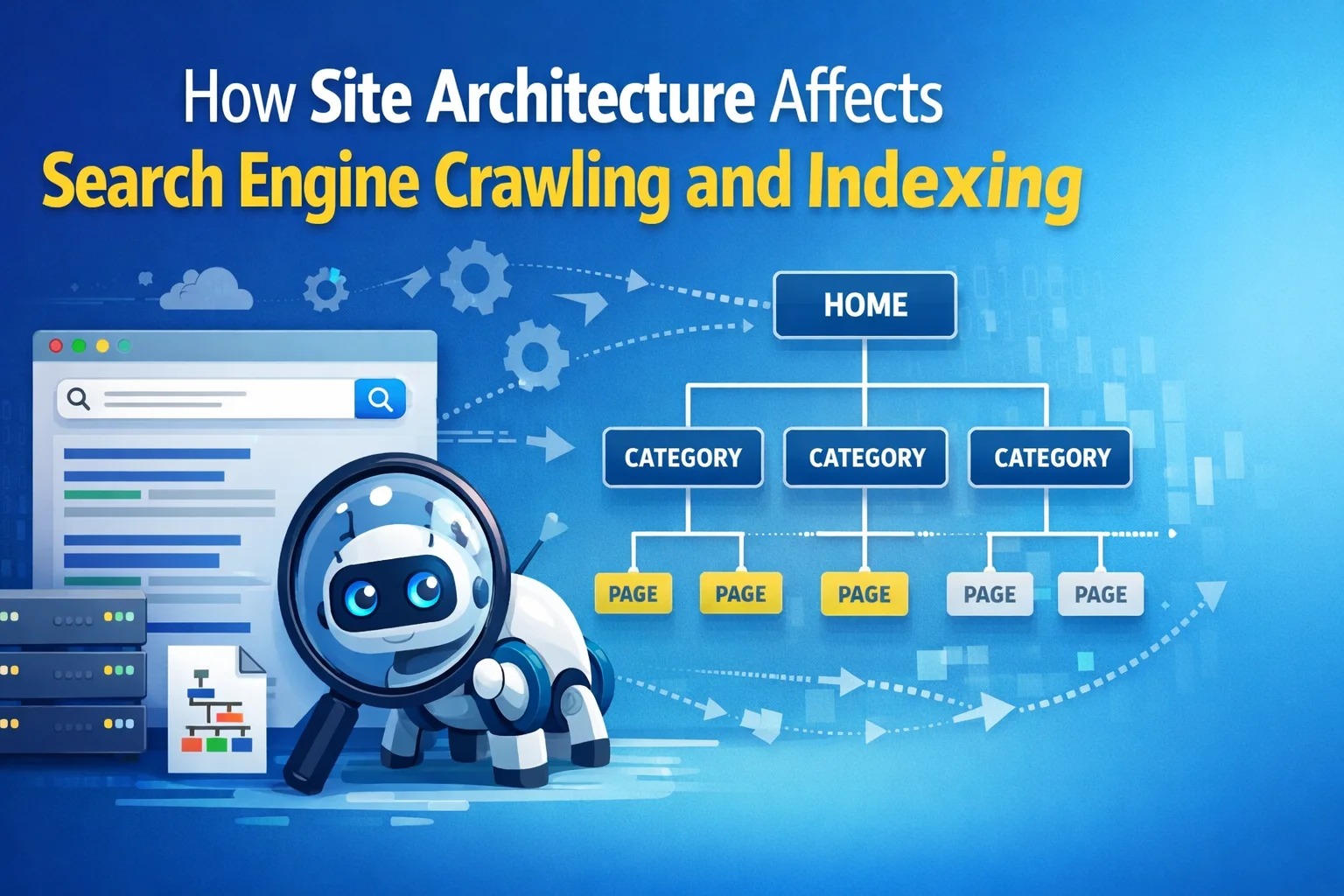
Site architecture plays a defining role in how search engines discover, understand, and rank web pages. A well-structured site enables search engines to crawl content efficiently, interpret relationships between pages, and determine which pages deserve to appear in search engine results. The organization of internal links, navigation menus, URL hierarchy, and page categorization all influence how information is delivered to search engine crawlers. When the structure is intuitive and logically organized, crawlers can index more pages, leading to stronger search visibility.
Understanding the way site architecture impacts crawling begins with recognizing how search engines operate. Crawlers work their way through links, moving from page to page, evaluating the information they find. If a site contains broken links, confusing categories, or fragmented navigation, crawlers may struggle to reach important pages, causing them to remain unseen by search engines.
In contrast, a clean site structure guides crawling smoothly through important content and ensures that it is properly indexed. The more accessible site content becomes, the greater its potential to rank and attract organic traffic. Businesses looking to strengthen search performance through optimized architecture can work with professionals such as Portkey SEO Solutions, who specialize in creating impactful digital strategies.
How Crawlers Interpret Page Hierarchy
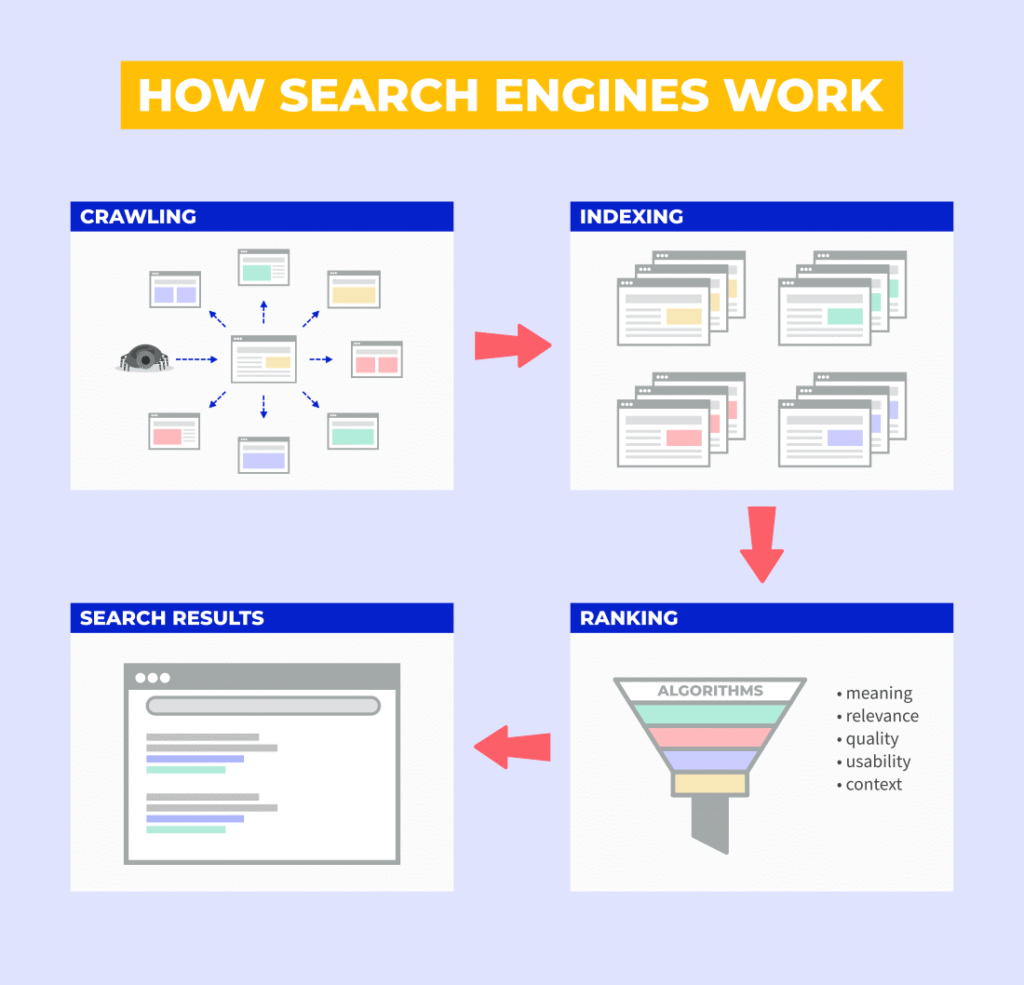
Search engine crawlers interpret site architecture using hierarchical patterns. Each website has a structure that resembles a branching system, starting with the homepage and expanding into categories, subcategories, and individual content pages. When this hierarchy is logical, crawlers can follow pathways easily.
If the structure is cluttered or excessively deep, crawlers may miss pages entirely. Pages buried too far below the main navigation often receive less visibility, affecting their indexing and ranking potential. A streamlined structure encourages crawlers to spend more time accessing valuable content instead of getting lost within unnecessary layers.
Internal Linking and Crawl Efficiency
Internal links provide directional cues to search engines, helping crawlers understand which pages matter most. Strong internal linking creates relationships between pages and supports the flow of authority throughout a site. When internal links are inconsistent or missing, crawlers may view pages as isolated, reducing their indexing priority. Structured internal links, on the other hand, ensure every important page receives attention. A well-planned linking strategy leads crawlers to deeper content, enabling more comprehensive indexing.
Navigation Design as a Crawl Pathway
Navigation menus that are easy to understand create meaningful pathways for both users and search engines. When navigation is intuitive, crawlers can follow links with minimal effort. Overly complex drop-down menus, excessive tabs, or hidden links create obstacles. Search engine crawlers rely on clearly visible navigation to determine the importance of pages and categories. If navigation elements are buried in scripts or not visible in page HTML, crawlers may skip them entirely. Simple, clearly labeled categories help define site hierarchy in a way that enhances crawl ability and supports indexation.
URL Structure and Organization
The structure of URLs tells search engines where a page belongs within the site. Logical URLs provide crawlable clues about category relevance, content type, and page hierarchy. Organized URLs allow crawlers to determine context without needing to interpret additional metadata. For example, a clean URL that follows a descriptive path helps search engines understand where the page sits within the website’s overall structure. URLs that contain irrelevant characters, lack organization, or fail to reference categories create confusion. Proper URL formatting simplifies crawling and reinforces site logic.
The Role of Sitemaps in Indexing
Sitemaps serve as navigation guides specifically for search engines. They list important pages and indicate how content is organized. When a sitemap is accurate and up to date, crawlers can quickly locate important content even if the page is not directly linked from a main navigation menu. Sitemaps also allow search engines to recognize new content and modified URLs.
However, having a sitemap alone is not enough. It must work alongside strong architecture. A well-structured site reduces dependency on sitemaps and allows crawlers to discover pages organically. Businesses that want a site structure built for efficient indexing can benefit from working with a seasoned minneapolis web design company with proven SEO expertise.
Crawl Budget Allocation and Resource Efficiency

Search engines assign what is known as a crawl budget to each site, which determines the number of pages a crawler will inspect within a given period. Poor architecture wastes crawl budget on irrelevant or repetitive content.
Duplicate pages, autogenerated archives, or complex parameters create unnecessary barriers. When crawl budget is spent on trivial pages, important content remains unindexed.
A streamlined structure ensures the crawl budget is allocated to high-value pages, maximizing visibility. Optimized architecture guides crawlers more efficiently, helping search engines index authoritative content while bypassing redundant assets.
Avoiding Roadblocks to Indexing
Multiple structural issues can block crawlers from accessing pages, including broken internal links, disorganized categories, excessive redirects, or improper use of robots.txt files. When structural elements create barriers, search engines may assume content does not exist, leading to significant ranking losses.
Roadblocks not only slow crawl performance but can also remove valuable content from search results entirely. Monitoring site architecture regularly helps maintain a healthy ecosystem where all essential pages remain reachable.
Effective site architecture determines how well search engines can explore and understand a website. A well-organized structure supports indexation by guiding crawlers toward valuable content, optimizing link flow, and reducing barriers that waste crawl resources. Logical hierarchies, intuitive navigation, clean URL structures, and strong internal linking all contribute to efficient crawling.
When a website is built with thoughtful architecture, it becomes more accessible to both users and search engines. This accessibility boosts visibility, strengthens ranking potential, and allows businesses to compete successfully in organic search results. As search engines evolve, optimizing architecture becomes more critical for websites aiming to achieve long-term search performance and authority.