
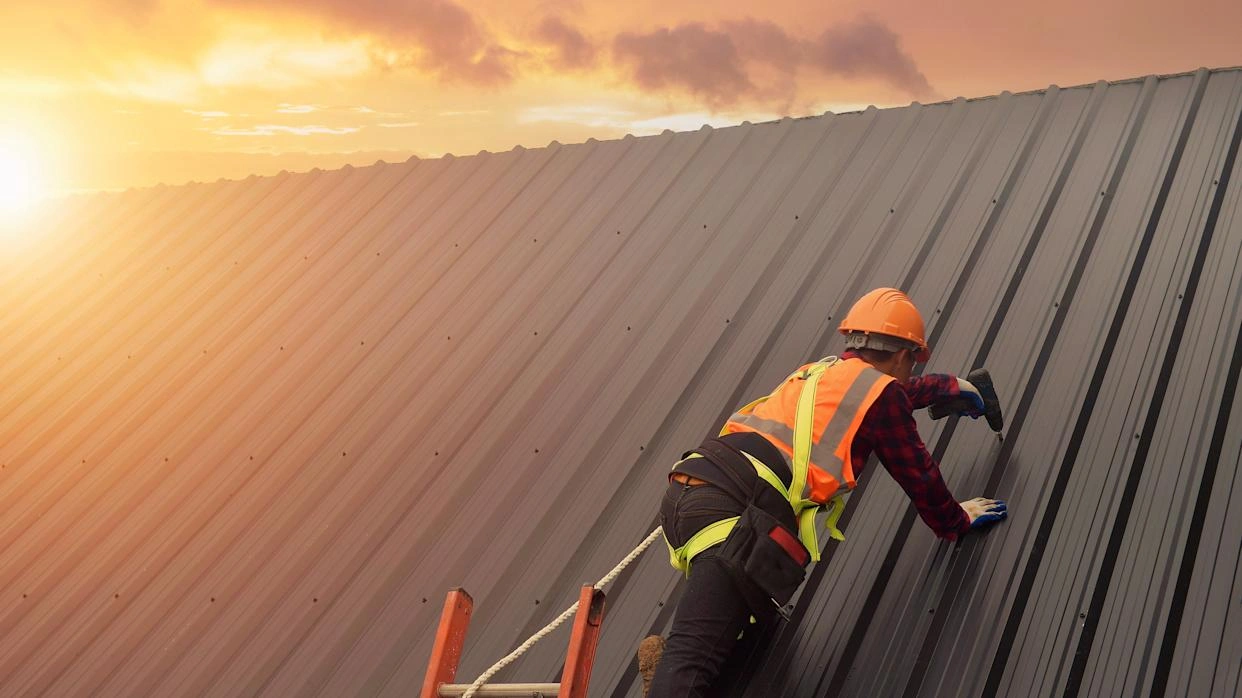
Managing a building in Los Angeles means balancing tenant expectations, owner budgets, maintenance schedules, and long-term asset protection. Roofing often becomes urgent only when a leak appears, but for property managers, a reactive approach can create unnecessary costs, tenant complaints, and operational stress.
A better strategy is to treat the roof as a managed system rather than a one-time repair item. With routine inspections, documentation, and proactive planning, property managers can reduce emergencies and make better decisions for the buildings they oversee.
Why Roofing Requires a Property Management Mindset
Single-family homeowners usually think about roofing in terms of repair or replacement. Property managers need a broader view. A roof problem in a multi-unit building can affect tenants, common areas, parking structures, balconies, storage spaces, electrical systems, and insurance documentation.
For managed properties, roofing decisions should account for:
- Tenant communication and access coordination
- Budget forecasting
- Preventive maintenance schedules
- Vendor response time
- Moisture intrusion risk
- Documentation for owners or HOA boards
- Long-term property value
This is especially important in Los Angeles, where many buildings combine flat roofing sections, balconies, stucco walls, drainage systems, and waterproofing details. A leak may not always begin where water appears inside.
The Cost of Waiting Until There Is a Complaint
Tenant complaints often reveal roofing issues late in the process. By the time water stains show up on a ceiling, moisture may have already moved through insulation, framing, or wall cavities.
For property managers, delayed action can lead to more than repair costs. It may also create scheduling problems, unit access issues, frustrated residents, and repeated maintenance calls.
Common signs that a roof issue needs attention include:
- Ceiling discoloration after rain
- Damp smells in upper-floor units
- Bubbling paint near exterior walls
- Ponding water on flat roofs
- Cracked sealant around penetrations
- Overflowing or poorly pitched drains
- Repeated leaks in the same building area
Even when symptoms seem minor, they should be documented and evaluated. Small patterns across multiple units can point to a larger building envelope issue.
Building a Preventive Roofing Plan
A strong roofing plan does not need to be complicated. The goal is to create a repeatable process that helps property managers stay ahead of predictable problems.
Schedule Seasonal Inspections
Inspections before and after rainy periods can help identify vulnerable areas. Flat roofs, drains, parapet walls, skylights, vents, and transitions between materials should receive close attention.
Keep a Roof History File
Every managed property should have a roofing record that includes inspection notes, repair dates, photos, warranty details, vendor recommendations, and tenant complaints. This makes it easier to spot recurring issues and justify budget requests.
Prioritize Drainage
Water that does not drain properly can shorten roof life. Property managers should make sure gutters, scuppers, downspouts, and roof drains remain clear and functional.
Address Minor Repairs Quickly
Small membrane openings, loose flashing, cracked coatings, or damaged sealant can become expensive if ignored. Timely repairs often reduce the need for larger projects later.
Why Diagnosis Matters Before Repair
One of the biggest mistakes in managed property maintenance is approving repairs before the source of the problem is clear. Water can travel horizontally and appear far from the original entry point. This can lead to repeated repairs that do not solve the real issue.
A diagnosis-first approach helps property managers avoid guesswork. Instead of simply patching the most visible area, the building is evaluated to understand how water is entering, moving, and affecting the structure.
For teams comparing service options, researching property management roofing Los Angeles can help frame what to look for in a roofing partner that understands managed buildings, inspections, waterproofing, and water intrusion concerns.
The right roofing support should help answer practical questions: Is this an isolated repair? Is it part of a larger drainage problem? Does the roof need maintenance, restoration, or replacement? Are other exterior systems contributing to the leak?
Communication Helps Prevent Bigger Problems
Roofing work can disrupt tenants if it is not planned well. Property managers should communicate early and clearly when inspections or repairs are scheduled.
Useful tenant notices may include:
- Expected inspection dates
- Areas that may be accessed
- Noise expectations
- Parking or entry restrictions
- Safety reminders
- Contact process for reporting leaks
Good communication reduces confusion and helps tenants feel informed. It can also improve reporting, since residents may notice early warning signs inside their units before management sees exterior damage.
Budgeting for Roof Life Cycle Costs
Roofing should be part of the annual maintenance budget, not just an emergency expense. Property managers can work with owners or boards to separate immediate repairs from long-term capital planning.
A useful roofing budget may include funds for inspections, cleaning, minor repairs, waterproofing maintenance, and future replacement reserves. This gives decision-makers more control and reduces the pressure of sudden large expenses.
It also helps to categorize roofing needs by urgency:
Immediate
Active leaks, safety concerns, or damage affecting occupied units.
Near-Term
Worn flashing, drainage issues, cracked sealant, or aging roof areas that need attention soon.
Long-Term
Planned roof restoration, coating, waterproofing upgrades, or full replacement.
This structure helps owners understand why some work cannot wait while other projects can be scheduled strategically.
Choosing Roofing Partners for Managed Properties
Not every roofing contractor is suited for property management work. Managed buildings require clear communication, documentation, responsiveness, and an understanding of how roofing connects with other exterior systems.
Property managers should look for vendors who can provide detailed findings, practical repair recommendations, photo documentation, and realistic maintenance guidance. A good partner should also understand how to work around tenants, boards, and building access limitations.
The best roofing relationships are not just about emergency response. They are about helping management teams make informed, cost-conscious decisions over time.
Conclusion
Roofing is one of the most important systems property managers oversee, yet it is often overlooked until a leak creates urgency. A proactive approach can reduce tenant disruption, prevent repeated repairs, and protect the long-term value of the property.
By combining routine inspections, clear documentation, drainage maintenance, accurate diagnosis, and strong vendor communication, property managers can turn roofing from a recurring headache into a manageable part of building operations.
For Los Angeles properties, where roofs interact with waterproofing, balconies, stucco, and drainage systems, that level of planning is not just helpful — it is essential