
Are you fascinated by technology and have a knack for solving problems? If so, a career in software design could be your calling. Software designers play a crucial role in creating the applications and systems we use every day. From mobile apps that keep us connected to complex programs that power large organizations, there’s no shortage of opportunities in this dynamic field.
But how do you get started on this exciting journey? Whether you’re fresh out of school or looking to switch careers, becoming a software designer requires dedication and the right skill set. In this beginner’s guide, we’ll explore what it takes to enter the world of software design. Get ready to uncover essential skills, programming languages to master, and steps you can take toward building an impressive portfolio!
Who is a Software Designer?
A software designer is an innovative thinker who translates ideas into functional software. Their primary goal is to create user-friendly applications that address specific needs or solve problems.
These professionals work closely with stakeholders, gathering requirements and understanding the intended audience. They often collaborate with developers, ensuring designs are feasible and aligned with technical capabilities.
Software designers also focus on the aesthetics of a program. This includes layout, color schemes, and overall usability. The balance between functionality and visual appeal is critical in their role.
Moreover, they must stay updated on industry trends and technologies. Continuous learning allows them to adapt their designs to meet evolving user expectations effectively. A successful software designer blends creativity with analytical thinking for optimal results in every project they undertake.
Skills and Qualifications Required
To become a software designer, a mix of technical and soft skills is essential. Proficiency in programming languages such as Python, Java, or C++ is critical. Understanding how to write efficient code can set you apart from others.
Problem-solving abilities are also important. Designers face various challenges daily, requiring innovative solutions that meet user needs effectively.
Additionally, familiarity with design principles and tools like Adobe XD or Sketch can enhance your work quality. Knowing how to create intuitive interfaces makes for better user experiences.
Communication skills cannot be overlooked either. As a software designer, you’ll often collaborate with developers and stakeholders to align on project goals and expectations.
Having a solid foundation in computer science concepts helps you understand the broader context of your designs within systems architecture. Balancing these competencies will prepare you well for this dynamic field.
Important Programming Languages to Learn
To thrive as a software designer, mastering key programming languages is essential. Each language has its unique strengths and applications.
JavaScript stands out for web development. It enables interactive features that enhance user experience on websites. Learning it can open doors to front-end and back-end roles.
Python is another powerhouse in the industry. Known for its readability, Python is widely used in data science, AI, and automation projects. Its versatility makes it a favorite among beginners and seasoned professionals alike.
Java remains relevant too, especially in enterprise environments. Its portability allows developers to create applications that run on various platforms seamlessly.
Don’t overlook C#. This language integrates well with Microsoft technologies, making it valuable for developing Windows applications or game design using Unity.
HTML and CSS are fundamental for anyone looking into web design specifically; they structure content and style webpages effectively. Embracing these languages will lay a strong foundation for your journey ahead.
Steps to Becoming a Software Designer
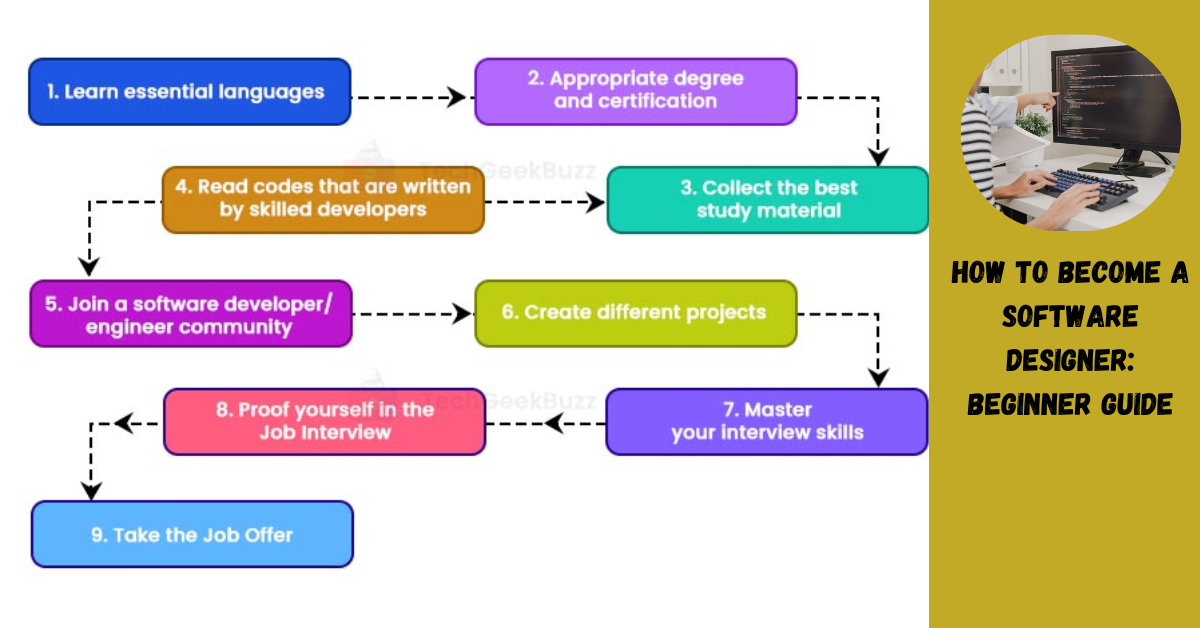
To become a software designer, start by building a solid foundation in computer science. Enroll in relevant courses or pursue a degree that covers programming, algorithms, and design principles.
Next, immerse yourself in practical experience. Engage in hands-on projects to apply what you’ve learned. This could be through personal projects or contributing to open-source initiatives.
Networking is crucial. Attend industry meetups and online forums to connect with seasoned professionals who can offer insights and guidance.
Consider specializing in areas such as user interface (UI) or user experience (UX) design for an added advantage. Understanding the nuances of these fields enhances your skill set significantly.
Stay updated on emerging technologies and trends through continuous learning. Online resources like tutorials and webinars can be invaluable for keeping your knowledge fresh and relevant.
Internship and Portfolio Building
Internships are a gateway to practical experience in software design. They provide an opportunity to apply theoretical knowledge in real-world scenarios. Finding the right internship can make a significant difference.
Look for positions that align with your interests, whether it’s web development, UI/UX design, or mobile applications. Companies often value enthusiasm and willingness to learn over extensive experience.
Building a portfolio is equally crucial. Showcase projects that highlight your skills and creativity. Include personal projects, contributions to open-source software, or freelance work.
Make sure your portfolio is visually appealing and easy to navigate. Potential employers want to see not just what you’ve done but also how you approach problems creatively.
Don’t forget about documentation! Clear explanations of each project demonstrate your thought process and technical abilities effectively. This combination of internships and a strong portfolio sets the stage for future career opportunities in software design.
Job Opportunities in the Field
The demand for software designers is booming across various industries. Companies are recognizing the importance of intuitive and user-friendly interfaces, leading to a surge in job openings.
Software designers can find opportunities in tech firms, finance, healthcare, and even education sectors. Roles vary from UI/UX designer to systems architect. Freelancing has also become a viable path for many in this field.
Startups often seek innovative minds who can adapt quickly. Larger corporations may offer structured career paths with potential for growth through specialized roles or management positions.
Remote work options have expanded as well. This flexibility allows you to connect with companies worldwide without relocating.
Networking plays a crucial role too. Engaging on platforms like LinkedIn or attending industry conferences helps build valuable connections that can lead to exciting job prospects.
Challenges and Rewards of Being a Software Designer
Being a software designer comes with its own set of challenges. One major hurdle is the constant evolution of technology. Staying current requires ongoing learning and adaptability, which can be daunting for many.
Another challenge lies in meeting client expectations. Balancing creativity with functionality often leads to tight deadlines and high-pressure situations. Confronting these demands can be stressful but also rewarding.
On the flip side, the rewards are significant. The satisfaction of bringing ideas to life through code is unparalleled. Seeing users interact with your design provides immense gratification.
Additionally, there’s a strong sense of community among professionals in this field. Collaborating on projects fosters relationships that can lead to career advancement and innovation.
Software designers enjoy competitive salaries and job security as demand for their skills continues to rise across various industries.
Conclusion
Becoming a software designer is an exciting journey filled with learning and creativity. It requires a blend of technical skills and innovative thinking. As you navigate through the required programming languages, tools, and best practices, you’ll find yourself growing both personally and professionally.
The path includes gaining hands-on experience through internships and building a portfolio that showcases your work. It’s important to stay current with industry trends as technology continually evolves.
While challenges will arise—like tight deadlines or complex projects—the rewards are plentiful. A fulfilling career awaits those who dedicate themselves to this field.
With passion, persistence, and the right guidance, you can successfully carve out your niche in the world of software design. Embrace the process; each step brings new opportunities for growth and success in this dynamic profession.