
Introduction
Modern living has evolved significantly over the past decade. Today’s homeowners and entrepreneurs are not only focused on comfort but also on style, functionality, and innovation. The way people design their homes, manage businesses, and adopt new trends reflects a growing desire for efficiency, creativity, and sustainability. From minimalist interiors to smart home technologies, modern lifestyles are driven by a combination of aesthetics and practicality.
As urban populations grow and technology continues to advance, individuals are seeking inspiration from reliable sources that provide insights into design, entrepreneurship, and home improvement. These resources help homeowners make informed decisions, entrepreneurs build successful ventures, and families create spaces that support their daily needs.
The Importance of Design in Creating Comfortable and Functional Homes
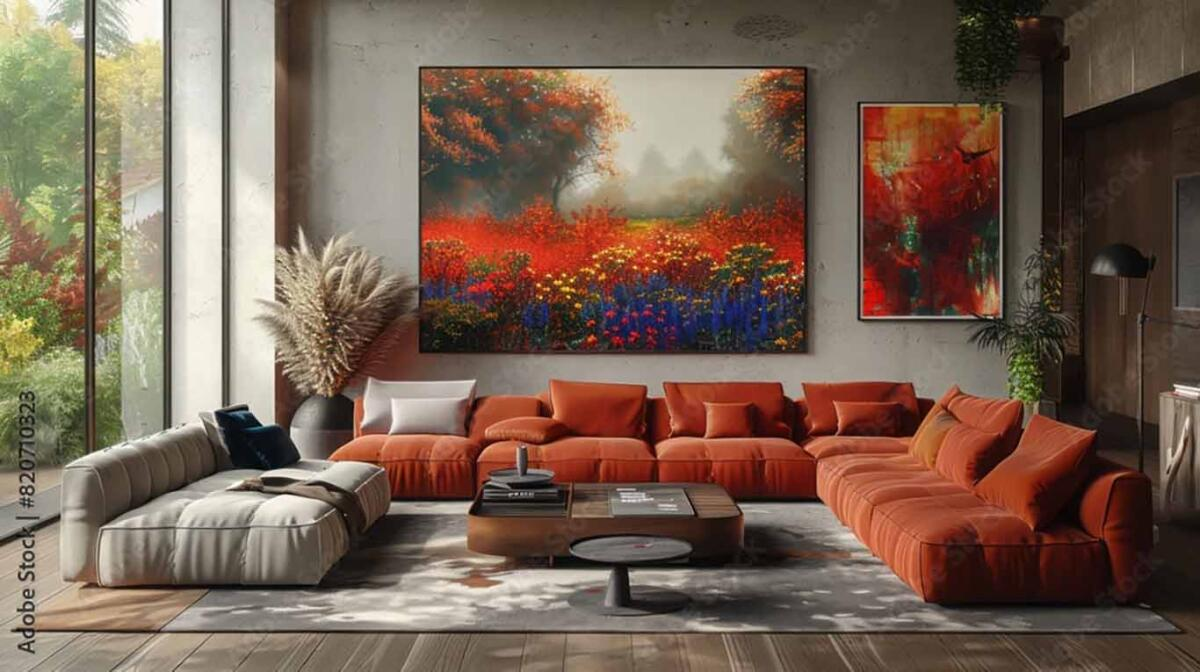
Design plays a crucial role in shaping the way people experience their living spaces. A well-designed home not only looks appealing but also improves productivity, reduces stress, and enhances overall well-being. Modern interior design focuses on maximizing space, improving lighting, and incorporating natural elements to create a balanced environment.
Homeowners today are paying more attention to details such as furniture placement, color schemes, and material selection. Neutral tones, open floor plans, and multifunctional furniture are becoming increasingly popular because they provide flexibility and comfort. Additionally, sustainable materials such as bamboo, recycled wood, and eco-friendly fabrics are gaining popularity as people become more environmentally conscious.
For individuals seeking inspiration and guidance on contemporary design trends, platforms like Form and Taste offer valuable ideas that combine style with practicality. Such resources help homeowners discover innovative ways to transform their spaces into comfortable and visually appealing environments.
Entrepreneurship and the Rise of Founder-Led Businesses
Entrepreneurship has become a defining feature of modern economies. Many professionals are choosing to start their own businesses instead of pursuing traditional career paths. This shift is driven by advancements in technology, increased access to online resources, and the desire for financial independence.
Founder-led businesses are particularly successful because they are driven by passion, vision, and innovation. Entrepreneurs who understand their markets and customers can quickly adapt to changing trends and create solutions that meet consumer demands. Digital platforms have made it easier than ever to launch and manage businesses, enabling entrepreneurs to reach global audiences with minimal investment.
Aspiring business owners often look for insights and strategies from experienced professionals. Resources such as Founder & Operator provide practical advice on leadership, business growth, and operational efficiency. By learning from real-world experiences, entrepreneurs can avoid common mistakes and build sustainable companies.
Home Improvement Trends Shaping Modern Lifestyles
Home improvement has become a popular activity for homeowners seeking to enhance comfort and increase property value. Renovations, remodeling projects, and decorative upgrades allow individuals to personalize their living spaces and create environments that reflect their lifestyles.
One of the most significant trends in home improvement is the integration of smart technology. Smart thermostats, automated lighting systems, and voice-controlled devices make homes more convenient and energy-efficient. These technologies not only improve daily living but also reduce utility costs and environmental impact.
Another emerging trend is the focus on outdoor living spaces. Homeowners are transforming backyards into functional areas for relaxation and entertainment. Features such as outdoor kitchens, fire pits, and garden seating areas provide opportunities for social gatherings and family activities.
Television shows and online content have also played a major role in popularizing home renovation projects. Programs that showcase creative transformations inspire viewers to experiment with new ideas and invest in their homes. A notable example is the excitement surrounding the HGTV Bachelor Mansion Takeover finale, which captured the attention of audiences interested in dramatic home makeovers and innovative design solutions.
The Role of Technology in Modern Home Design
Technology has revolutionized the way homes are designed and managed. Architects and designers now use advanced software to create detailed 3D models, allowing homeowners to visualize projects before construction begins. This approach reduces errors, saves time, and ensures that designs meet client expectations.
Smart home systems are another major innovation transforming residential spaces. These systems allow homeowners to control lighting, security cameras, and appliances remotely using smartphones or voice commands. As technology becomes more affordable, smart homes are expected to become the standard rather than the exception.
Energy efficiency is also a key consideration in modern home design. Solar panels, energy-efficient windows, and smart insulation systems help reduce energy consumption and lower utility bills. Governments and environmental organizations are encouraging homeowners to adopt sustainable practices that benefit both the environment and the economy.
Creating Personalized Spaces for Modern Families
Personalization has become a central theme in modern home design. Families want spaces that reflect their personalities, interests, and lifestyles. Custom furniture, unique artwork, and creative layouts allow homeowners to express their individuality while maintaining functionality.
Home offices have become especially important in recent years due to the rise of remote work. A well-designed workspace can improve productivity and reduce stress. Features such as ergonomic chairs, proper lighting, and organized storage solutions contribute to a comfortable and efficient work environment.
Similarly, entertainment areas are becoming more sophisticated. Home theaters, gaming rooms, and multimedia centers provide opportunities for relaxation and recreation. These spaces allow families to spend quality time together without leaving the comfort of their homes.
The Economic Benefits of Home Improvement and Design
Investing in home improvement projects can significantly increase property value. Renovations such as kitchen upgrades, bathroom remodeling, and landscaping improvements make homes more attractive to potential buyers. Even small changes, such as repainting walls or upgrading fixtures, can have a noticeable impact on resale value.
In addition to financial benefits, home improvement projects create job opportunities in construction, design, and manufacturing industries. Skilled professionals such as carpenters, electricians, and interior designers play essential roles in transforming residential spaces.
Local economies also benefit from increased demand for building materials, furniture, and home appliances. As more homeowners invest in renovations, businesses that supply these products experience steady growth.
The Future of Modern Living
The future of modern living will be shaped by innovation, sustainability, and creativity. Advances in technology will continue to influence the way homes are built, designed, and maintained. Artificial intelligence, robotics, and automation are expected to play significant roles in improving convenience and efficiency.
Sustainability will remain a top priority as communities strive to reduce environmental impact. Eco-friendly construction materials, renewable energy sources, and water conservation systems will become essential components of modern homes.
Furthermore, collaboration between designers, entrepreneurs, and homeowners will drive new ideas and solutions. By sharing knowledge and embracing innovation, individuals can create living spaces that are both functional and inspiring.
Conclusion
Modern lifestyles are defined by the intersection of design, entrepreneurship, and technology. From stylish interiors and smart home systems to innovative business strategies, individuals are constantly seeking ways to improve their quality of life.
By staying informed about emerging trends and adopting new ideas, homeowners and entrepreneurs can create environments that support growth, creativity, and comfort. The journey toward modern living is an ongoing process, driven by innovation and the desire to build better spaces for the future.