
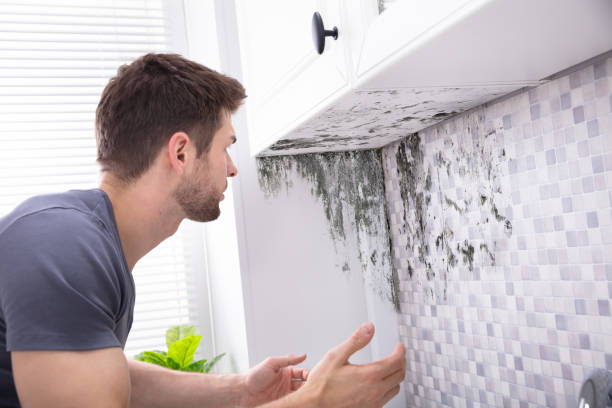
Mold is one of those issues that can quietly move from “minor annoyance” to “major disruption” without giving you much warning. It’s not always dramatic. Sometimes it starts with a faint odor, a recurring humidity problem, or allergy symptoms that only show up at home.
In Tampa Bay and St. Petersburg, where heat and moisture are part of daily life, mold-related concerns are especially common. But the bigger problem isn’t just mold—it’s confusion. Many people don’t know what a mold inspection is supposed to include, what it can realistically tell you, or how to tell the difference between a real inspection and a sales-driven walkthrough.
This guide breaks down what a professional mold inspection should look like, why independence matters, and how inspections and indoor air quality testing fit into the bigger picture.
Why Mold Issues Are So Common in Tampa Bay Homes
Florida is one of the most mold-friendly environments in the U.S. Not because homes are “dirty,” but because the climate naturally supports mold growth.
A few reasons mold shows up more often in this region:
- High humidity for most of the year
- Frequent storms and wind-driven rain
- Air conditioning running nearly nonstop
- Moisture getting trapped inside walls, attics, or crawl spaces
- Small plumbing leaks that go unnoticed for months
Even homes that look spotless can have hidden moisture conditions that create the perfect environment for mold.
Mold Inspections vs. Mold Testing: People Mix These Up All the Time
A common misconception is that mold inspections and mold testing are the same thing. They aren’t.
A mold inspection is primarily about:
- Identifying moisture sources
- Looking for visible signs of mold growth
- Checking areas where mold is likely to hide
- Documenting building conditions that support mold
Mold testing is used to:
- Support findings with lab data
- Measure airborne spores and types
- Confirm whether a suspected area is affecting indoor air
- Provide documentation for insurance or property transfer
A good inspection decides whether testing is needed and where it will be meaningful. Testing without inspection can easily lead to results that are technically correct—but not useful.
What a Real Mold Inspection Should Include
Not all inspections are equal. Some are thorough, methodical, and evidence-based. Others are rushed and designed to steer you toward expensive cleanup.
A proper inspection should typically include:
1. A detailed visual assessment
This means checking accessible areas where mold and moisture commonly appear, such as:
- Bathrooms and under sinks
- Laundry rooms
- HVAC closets and vents
- Attics and insulation
- Around windows and exterior walls
- Behind furniture on exterior walls
- Garages and storage areas
The key here is pattern recognition. Mold doesn’t appear randomly. Professionals look for moisture pathways and building vulnerabilities.
2. Moisture detection using professional tools
Moisture is the real root cause. Mold is the result.
A good inspector should be looking for:
- Elevated moisture in drywall or baseboards
- Condensation patterns
- Signs of previous water intrusion
- Humidity problems that may not show visible damage yet
Moisture meters and thermal imaging can help locate hidden moisture, but the tools are only as good as the person using them.
3. Documentation that holds up
If you’re dealing with a landlord, a builder, an insurer, or a real estate transaction, documentation matters.
A real inspection report should include:
- Observations and affected areas
- Clear explanations of what was found
- Photos where relevant
- Notes on environmental factors (humidity, ventilation, building design)
- Practical next steps
This is the part many people don’t realize they need until it’s too late. Without documentation, you often end up stuck in “he said / she said” territory.
The Most Important Part: Independence
Here’s something most homeowners don’t learn until after they’ve already spent money: the most valuable mold inspections are the ones done by companies that don’t do remediation.
Why?
Because if the same company:
- inspects your home
- confirms mold
- and then sells you a cleanup job
…they have a built-in incentive to find “something.”
That doesn’t mean every remediation company is dishonest. But it does mean the structure creates a conflict of interest. Independent inspection-only companies remove that pressure.
A truly unbiased inspection focuses on facts:
- what was observed
- what moisture conditions exist
- what needs further confirmation
- what does not need to be escalated
That’s what you want.
When Mold Testing Makes Sense After an Inspection
Testing is not always necessary, but it becomes useful in certain situations—especially when you need lab-verified data.
Testing is often recommended when:
- Symptoms exist but mold isn’t visible
- There’s a persistent musty odor
- You need evidence for insurance or legal situations
- You’re buying/selling a property
- You suspect HVAC contamination
- There’s been water intrusion and you want to confirm airborne impact
In those cases, indoor air sampling can help show whether the air indoors is different from outdoors, and whether spore types suggest an indoor mold source.
What People Get Wrong About Mold (And It Creates Panic)
Mold has a reputation that makes people assume the worst immediately. But a professional inspection should reduce panic, not increase it.
Here are common misunderstandings:
“If I see mold, my whole house is unsafe.”
Not always. A small area of growth might be localized, especially if the moisture source is fixed quickly.
“Air testing will tell me exactly where the mold is.”
Air testing can suggest a problem, but it usually cannot pinpoint the exact location. That’s what inspection and moisture mapping are for.
“If I can’t see mold, it’s not there.”
Mold often grows in hidden areas first. You can have a real problem behind drywall with no visible signs.
“Bleach fixes mold.”
Bleach may remove staining on some surfaces, but it doesn’t solve the moisture issue. If moisture remains, mold often returns.
The Real Goal of a Mold Inspection
A good mold inspection isn’t designed to scare you or sell you a service. It’s designed to answer practical questions like:
- Do current conditions support mold growth?
- Is there evidence of moisture intrusion?
- Are there hidden areas that need further evaluation?
- Is testing necessary, and where should it be done?
- What steps make sense next?
That clarity is the entire value of the process.
The Overlooked Connection: Mold and Indoor Air Quality
Mold is only one part of indoor air quality. Homes can also contain other airborne irritants like:
- dust and particulates
- pollen brought indoors
- pet dander
- VOCs from paint, flooring, and cleaning products
- HVAC-related contamination
This is why some homeowners go through a full mold inspection and still feel uncomfortable indoors. The issue might not be visible mold—it may be the overall air quality.
In those cases, Indoor Air Quality Testing becomes a logical next step because it looks at what’s actually in the air rather than only what’s visible on surfaces or materials.
Final Thoughts: A Mold Inspection Should Give You Confidence, Not Confusion
The best mold inspections don’t leave you with fear and uncertainty. They leave you with:
- a clear understanding of what’s happening
- evidence-based documentation
- guidance on realistic next steps
- confidence that the evaluation was unbiased
And in a humid climate like Tampa Bay, that kind of clarity is worth far more than a rushed “mold check” that ends in a sales pitch.