
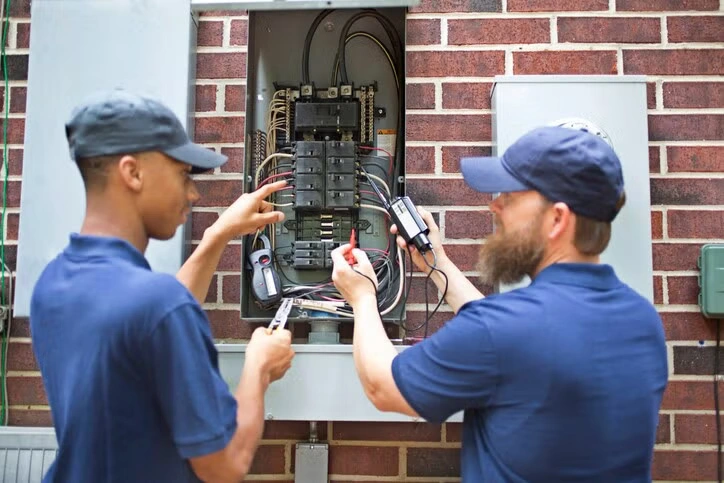
A reliable electrical system is one of the foundations of a productive commercial space. Whether a business operates from an office, retail storefront, restaurant, warehouse, or mixed-use property, electrical planning affects safety, comfort, daily workflow, and long-term growth.
Commercial Electrical Work Is About More Than Repairs
Many businesses only think about electricians when something stops working. While repairs are important, commercial electrical service is also about prevention, capacity planning, code-conscious upgrades, and operational continuity.
A commercial property may need support for lighting, panels, transformers, equipment circuits, data cabling, backup power, EV charging, security systems, and tenant improvements. Each of these systems must work together without creating unnecessary risk or downtime.
Why the Right Partner Matters
Choosing an electrical contractor is not just a pricing decision. The right partner understands how to work around business hours, coordinate with property managers, communicate clearly, and plan installations that fit the building’s future use.
A qualified electrical partner should be able to explain the scope of work in plain language, identify potential complications early, and provide a clear written estimate before work begins. That transparency helps business owners avoid rushed decisions and unexpected interruptions.
Signs Your Facility May Need an Electrical Review
A professional electrical review can be useful when a business is expanding, remodeling, changing equipment, or moving into an older building. Common signs include:
- Breakers that trip regularly
- Flickering or inconsistent lighting
- Not enough outlets for current operations
- Warm outlets or unusual electrical smells
- Panels with limited remaining capacity
- Heavy reliance on extension cords
- New machinery, kitchen equipment, servers, or charging stations
- Planned tenant improvements or layout changes
These warning signs should not be ignored. This article is informational only and should not replace guidance from a licensed electrician.
Planning for Growth in Santa Clara
Santa Clara businesses often operate in competitive, technology-driven environments where electrical needs can change quickly. A small office may later need more workstation power. A retail space may add digital displays or security systems. A warehouse may expand equipment use. A property owner may want EV charging or backup power to improve tenant value.
Working with a Santa Clara commercial electrical company can help business owners think beyond today’s immediate issue and plan for future capacity, safety, and efficiency.
Questions to Ask Before Hiring
Before approving a commercial electrical project, ask practical questions that reveal how organized the contractor is:
- Is the company licensed and insured?
- Has the team handled similar commercial projects?
- Will the estimate be provided in writing?
- How will work be scheduled to reduce business disruption?
- Are permits or inspections needed?
- What materials and equipment are being used?
- How will changes to the scope be handled?
- Who will communicate updates during the project?
Clear answers are often a good sign that the contractor has a structured process.
Electrical Upgrades That Support Better Operations
Commercial electrical improvements can do more than solve immediate problems. Lighting retrofits may improve visibility and reduce wasted energy. Panel upgrades can support additional equipment. Backup generators may help protect critical operations during outages. EV charger installation can serve employees, customers, or fleet vehicles. Tenant improvements can make a space more functional for the next stage of business.
The best upgrades are planned around the way people actually use the building. That means considering employee movement, customer experience, equipment placement, maintenance access, and future flexibility.
Conclusion
A dependable electrical partner helps businesses operate with fewer interruptions and greater confidence. For Santa Clara companies, the goal is not just to fix problems as they appear, but to create a safer, more adaptable electrical system that supports growth. With thoughtful planning and the right expertise, commercial electrical work becomes a long-term investment in the building’s performance.